
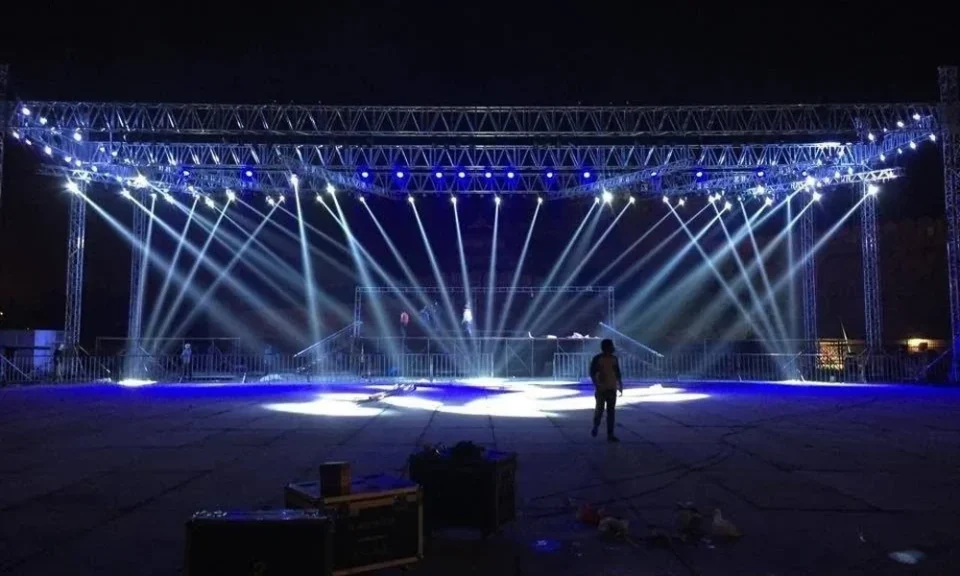
A perfect party needs much more than just booking a nice place to host it and sending out invitations for guests. The true nature of a great occasion is that it flows smoothly without any interruption between phases during an evening. An annual celebration such as an intimate dinner party for anniversaries, birthdays of significant years, or weddings is best kept lively so that there are no gaps between them which may cause boredom among attendees until their departure at the end.
Achieving such an amount of operational synergy needs careful technical planning and immediate implementation. Collaborating with professionals like Paradigm Sounds Event Entertainment in Long Island helps ensure perfect synchronization between sound transitions, stage setups, and lighting changes to match an event schedule. With perfect harmony between sound design and stage management, both hosts and guests will have an enjoyable experience without any stress while celebrating together.
1. The Core Components of Event Stage Coordination
Stage coordination is an essential part of organizing live event performances. Structural organization of many actors, presenters, and slideshows on stage at once is required for an event night.
- Timeline Management: A time management schedule of speeches, formal dance performances, cake-cutting ceremonies, and bands’ shows helps keep an event on track by eliminating any kind of delay during it.
- Fixing Balance of Audio and Visuals: To balance audio and visuals, one must change the volume depending on what happens during the speech so that loudness peaks don’t occur when recording live performances.
- Backstage Coordination with Vendors: Backstage personnel and vendors need to coordinate efforts to guarantee that the event takes place on time in terms of food from caterers, photo shooting services, and venue managers.
.
| Event Production Phase | Technical Focus | Common Risk Without Coordination |
|---|---|---|
| Guest Arrival | Background audio levelling & ambient lighting | Dead silence or overpowering volume |
| Formal Formalities | Wireless mic checks & targeted spotlighting | Audio feedback or delayed speeches |
| Live Performance | Full-frequency audio mix & stage lighting | Prolonged stage setup downtime |
| Evening Transition | Smooth DJ-to-band audio handoffs | Abrupt silence breaking party momentum |
2. Managing Acoustic Environments and Stage Transitions.
Every private environment has its unique acoustics; for instance, comparing a spacious room with an open ceiling to an outdoor tent, which calls for directional speakers. This is the reason why the sound engineer needs to consider the venue’s acoustics when preparing for the event, which allows them to position the speakers correctly and track feedback while ensuring the sound is perceptible throughout the auditorium.
- Diminishing Dead Space: Reducing the amount of energy from the dance floor by fires in sound travel. The transition from live performances of musicians to their sound transmission should be smooth and steady, ensuring seamless flow.
- Microphone Administration: Special methods of wireless microphone management allow one to tackle all possible audio-related issues and assist the speaker in delivering uninterrupted speech.
- Stage Space Optimization: Proper positioning of sound equipment will guarantee that the stage is tidy and visually appealing to the audience.
3. The Value of Professional Production Teams.
Expert supervision is needed for flawless events. Every great event has an experienced crew behind it that includes sound engineers, stage managers, and hosts who are always ready to handle any issues related to noise levels or equipment malfunctions during performances.
By partnering with leading companies such as Paradigm Sounds Event Entertainment in Long Island for their productions, we have access to high-quality sound equipment, advanced lighting systems, and skilled stage managers. A dedicated team for live mixing and stage transition management guarantees smooth execution of cues so that the host can stay engaged while entertaining attendees.
Conclusion
A smooth process of event design plays an important role to be considered while designing for private events. Prioritizing good sound design, stage management, and timely scheduling helps to remove obstacles so that there is no problem during events where everyone can enjoy themselves fully. Technical accuracy combined with passion for fun turns a party into an unforgettable memory that lasts forever.
